

The Role of Wall Bars in Perfecting Ballet Technique
12 June 2024
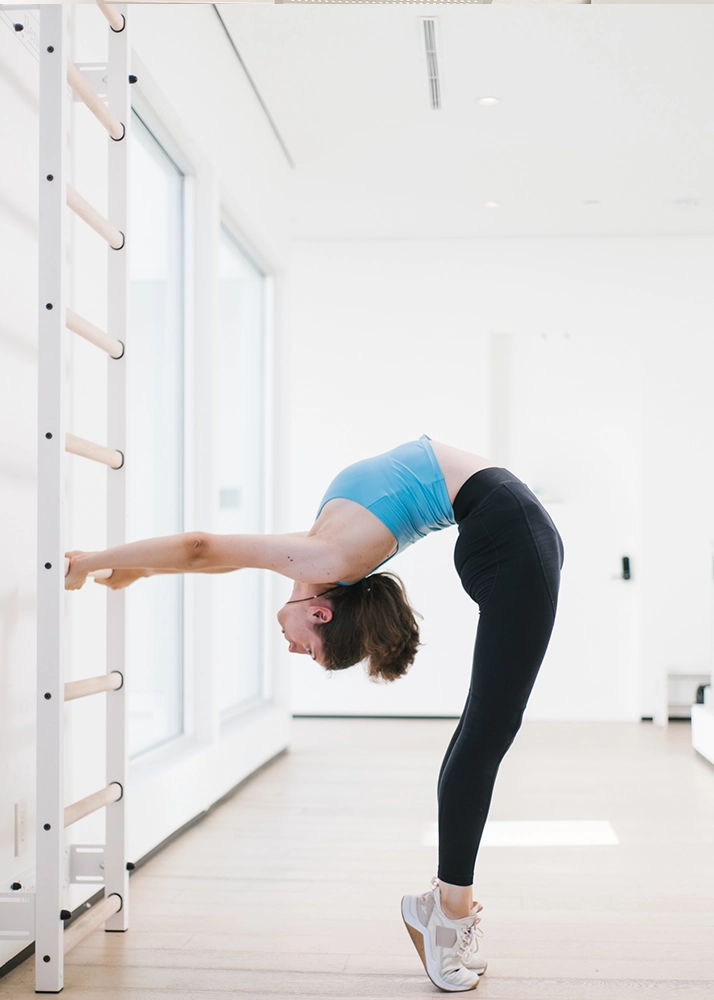
Wall bars play a key role in ballet training, especially for the youngest dancers. Ballet for children is not only learning to dance — it develops coordination, muscle strength, and flexibility, laying a solid foundation for further progress. Thanks to their versatility, wall bars support these goals superbly, offering a variety of exercises matched to children's needs and abilities. In this article we look at how wall bars can be used in ballet training for children — how the exercises build muscle strength, improve range of motion, and sustain correct posture — and how parents can support their child in pursuing this beautiful passion.
How to support a child's passion for dance
Supporting a child's passion for dance — ballet especially — is not only the shared joy of watching them progress, but active participation in developing their skill and confidence. Ballet is an exceptional art form that demands great discipline, commitment, and regular training from its young dancers. As a parent you can play a key role by offering emotional, logistical, and motivational support. And with a wall bar — an extraordinarily useful tool in ballet training — there are many ways to nurture the passion.
Regularity and consistency
Regularity is the foundation of progress in dance. Encourage consistent participation in ballet classes; it develops technique and skill. Set a steady training schedule together so your child can track their progress and work toward defined goals. Adding wall-bar exercises to the daily routine helps improve muscle strength, balance, and flexibility — all crucial for young dancers.
Shared interest and involvement
Show real interest in what your child does in class. Watch ballet performances together, talk about different dance styles, and find inspiration in new ideas. Surprise them with ballet trivia to enrich their knowledge and spark further growth. A child is proud to share new skills and knowledge with you.
Motivation and praise
Nothing motivates like sincere praise. Appreciate the effort your child puts into training, even when progress is slow. Praise the work and the determination; note achievements whatever their size. Regularly noticing improvements — steadier balance, better flexibility from wall-bar work — is a powerful motivator to keep going.
Equipment and environment
Provide the right equipment and setting for practice. A new leotard, a tulle skirt, or a small dance-related gift can meaningfully boost enthusiasm. A wall bar at home is a superb tool for daily practice independent of ballet-school classes — your child can work on technique and strength on their own.
Preparing together, staying open
If you train or dance yourself, preparing together can be an extra source of motivation. Packing dance clothes and shoes, talking about progress and challenges, exercising together at the wall bar — all of it builds stronger bonds and shows your child you are invested in their passion. Stay open to their needs and worries, showing that physical activity brings joy but also challenges worth facing.
The benefits of wall-bar training for ballet dancers
Though usually associated with sports halls and athletes' training, wall bars are also an exceptionally valuable tool for refining ballet technique. In ballet — where precision, strength, and flexibility are everything — wall bars offer versatile training possibilities that support dancers on many levels.
Developing muscle strength
One of the wall bar's main strengths is how it develops different muscle groups. Pull-ups, leg raises, and bends build strength in the arms, back, abdomen, and legs. Strong muscles are essential in ballet, where stabilisation and control over the body play the leading role. Regular wall-bar training lets dancers strengthen effectively, which translates into better control during complex ballet movements.
Increasing flexibility
Flexibility is the foundation of many ballet techniques. Wall bars enable stretching exercises that widen the range of motion in the joints — leg raises to the rungs, split stretches, and resistance-band work at the bars all improve flexibility. Dancers gain more lightness and fluidity of movement, indispensable for demanding ballet positions.
Better balance and coordination
Ballet demands superb balance and coordination. Wall bars are the ideal tool for exercises that develop both: climbing, holding positions at different heights, and balancing on one leg build stability and coordination, giving dancers more confidence in movements that demand precision.
Shaping correct posture
Correct posture matters enormously in ballet and in everyday life. Wall bars support building and maintaining proper body alignment. Regular practice at the bars teaches and reinforces the correct position of the spine and shoulders — for example, upright-posture holds at the bars build the habit of a straight back, essential in ballet.
Which wall bar to choose for home ballet training
If your child loves ballet and you want to create ideal conditions to practise at home, it is worth investing in the right equipment. One of the best choices is the multifunctional BenchK wall bar — an excellent tool for ballet training and versatile sports equipment for the whole family.
The ideal tool for a child's ballet practice
The BenchK wall bar was developed so that training on it is safe even for small children. It is a perfect place to practise the balance, flexibility, and muscle strength that ballet demands. With its solid construction and the ability to mount in almost any room, a BenchK ladder makes daily training possible in the comfort of home.
Support for children's development
By encouraging regular exercise we support a child's physical and mental development. Training together at the wall bar can be a wonderful way to spend time with your child and keep the passion alive. Many stories of outstanding dancers show how much parents' help and encouragement matter in developing talent. Even if we are not dancers ourselves, engaging in a child's learning shows them our support and love.
Versatility for the whole family
The multifunctional BenchK wall bar is not just ballet equipment for children. It serves the entire household: older children and teenagers can develop their own sports — artistic gymnastics, fitness, strength-endurance work — while adults find in it a superb ally for everyday training, good shape, and a healthy lifestyle.
Function and aesthetics
BenchK joins the aesthetics of furniture with the functionality of professional sports equipment. The wall bar was invented in Sweden by Pehr Henrik Ling in the 18th century, and BenchK has adapted the classic to the needs of the modern home. Since 2015, BenchK wall bars have created space for physical activity across everyday life — saving space and time without disturbing the interior.
Wall bars are a versatile tool in ballet training, offering dancers at every level real benefits: muscle strength, flexibility, balance, coordination, and precise control of the body. Regular use supports the development of ballet technique — and contributes to the general fitness and artistry this demanding art requires.