

Design That Works: Why BenchK Is Both Furniture and Training Equipment
3 March 2026
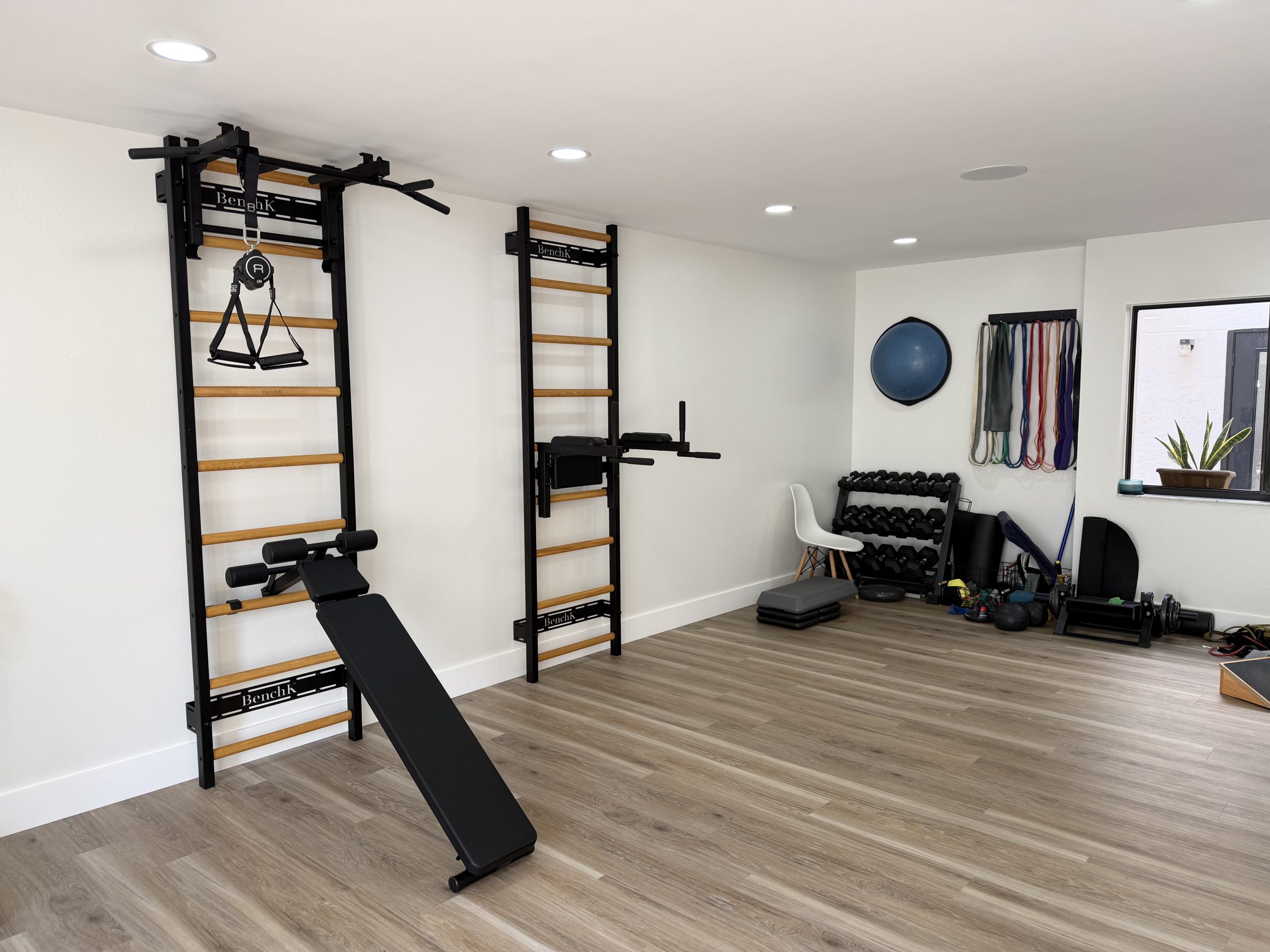
The modern fitness space has stopped being merely a place to exercise. Clients today don't come just for a workout — they come for an experience. Lighting, materials, atmosphere, and aesthetics shape motivation as strongly as the programme or the trainer's skills. In that reality, equipment cannot look like a random add-on. It has to be part of the interior. This is where BenchK redefines the category: instead of hiding equipment or separating it visually from the design, the system brings movement into the architecture of the space. The result is not just a wall bar or an exercise station — it is a functional design object that supports training and builds the identity of the place at the same time.
When equipment becomes interior architecture
Classic fitness tools were engineered above all for durability and performance; aesthetics were rarely a priority. Big volumes, massive profiles, and visually heavy structures dominate a room instead of completing it. In boutique studios, private training spaces, and premium home gyms this creates a conflict — the interior wants calm and harmony while the equipment brings chaos.
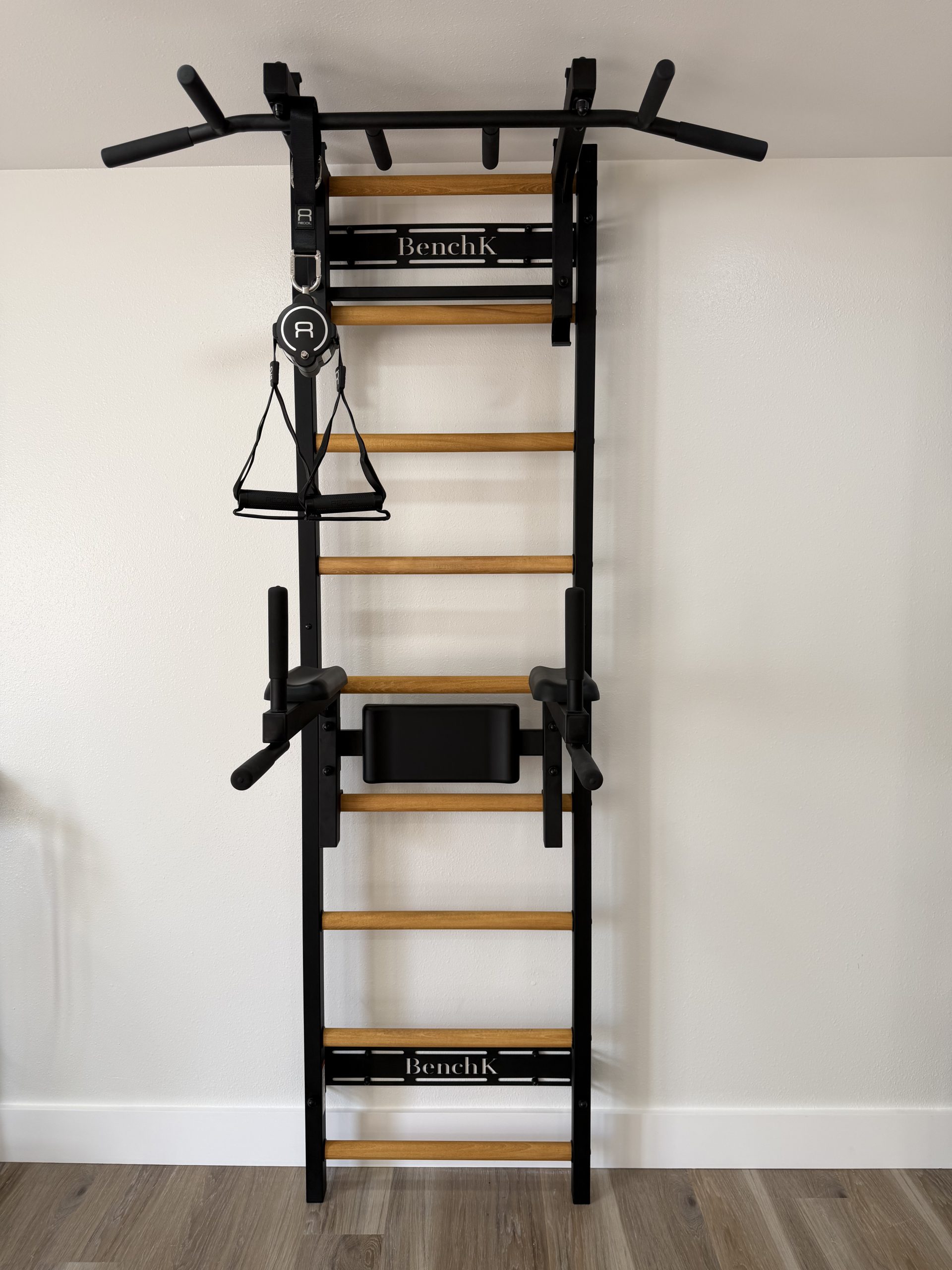
BenchK approaches training the way one approaches spatial design. The proportions, the lines, and the vertical form let the system merge with the wall rather than occupy the room. You read it first as a piece of architecture, and only then as a training tool. The trainer no longer has to arrange the whole zone around machines — the movement zone forms naturally around a single element.
The client's perception changes too. The studio stops resembling a technical back room and starts to look deliberately designed. The equipment doesn't compete with the interior; it reinforces it. In today's market, where a brand is also built visually, aesthetic integration becomes real business value.
Materials that communicate quality
A space's first impression is made by its materials. Fabric suggests comfort, stone stability, wood warmth. Most fitness equipment ignores this language and relies purely on industrial finishes. BenchK joins natural wood with powder-coated steel, building a bridge between function and comfort. The tactile impression matters as much as the mechanics of movement: gripping a wooden rung feels different from chrome or rubber — warmer, more pleasant, closer to the objects of everyday life.
This has psychological weight. A friendly space lowers the barrier to entry and increases training consistency. The exercise zone becomes somewhere you want to be, not an obligation to tick off. From bright, luxurious studios to industrial lofts, the system keeps its visual coherence — the form is neutral yet distinctive. BenchK works as an element of the décor, not as an aesthetic compromise. It also feeds organic marketing: people photograph places that look good, and when the equipment is part of the scenography it naturally appears on social media and builds the brand.
Functionality without visual chaos
Modern training needs a flexible space. Personal training, mobility, rehabilitation, and group classes often share a single room, yet traditional machines eat the floor and fragment the layout. BenchK's vertical construction solves this: functions concentrate at the wall while the floor stays open. One system covers stretching, strength work, bodyweight training, and accessories — with no visual overload.
Here design directly supports the business. The studio gains more usable training space, the trainer moves freely, and group classes feel less crowded. At home the advantage is even clearer — a movement zone exists inside the living space without dominating it. The equipment doesn't need to be hidden, because it naturally belongs. You no longer build a room around machines; you build an environment where movement is a natural part of life.
Design as brand and experience
In the fitness market, standing out decides success. The training programme is rarely the only deciding factor — the impression a place makes counts enormously. What stays in memory is above all the feel of the space, and only then the numbers from the workout. Because BenchK integrates with the interior, it shapes the perception of quality: the space feels calmer, more refined, more premium. That strengthens pricing strategy and client expectations.
In this sense BenchK becomes a brand-building tool. It communicates precision, care for detail, and a long-term approach. The studio stops being a service point and becomes an experience. At home, training stops being a separate activity and becomes part of a lifestyle. Design stops being decoration and starts being strategy.
A system that supports training and business
BenchK doesn't just look good — it changes the user's relationship with movement. When equipment belongs naturally in a space, training stops being an organisational effort and becomes a daily habit. Clients stay longer, return more often, and recommend the place more readily. That is why BenchK is furniture and training equipment at once — each function reinforces the other. Aesthetics attract; functionality retains.
BenchK strengthens a studio's character and brings order to a home, because it never imposes its form — it simply belongs. Training stops being a "separate zone" and becomes an easily accessible part of everyday life. This is design that doesn't merely look good but helps you stay consistent — exactly what BenchK was created for.